
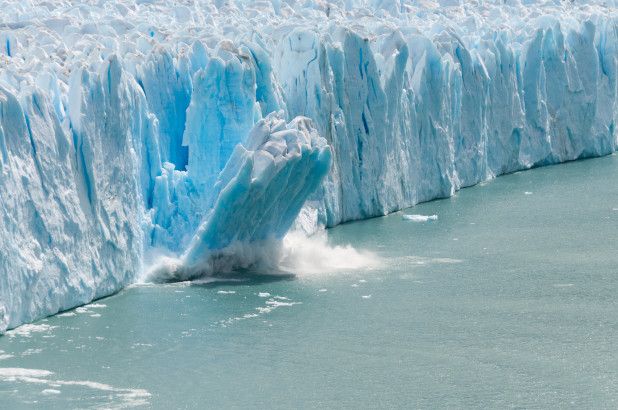
In a poignant ceremony, Nepal has held a symbolic funeral for the Yala Glacier, highlighting the accelerating impact of climate change on the Himalayas and the broader global environment.
On May 10, 2025, monks, scientists, and government officials gathered in the Langtang region to pay their respects to the Yala Glacier, which has lost a significant portion of its mass and is now considered “dead,” no longer moving under its own weight. This event marks the first glacier funeral in the Hindu Kush Himalaya region, which contains the third-largest volume of ice after the polar regions.
🌍 A Stark Warning
The funeral serves as a stark reminder of the rapid retreat of glaciers worldwide. Scientists warn that over 1,000 glaciers disappear annually, with projections suggesting that between 25% to 80% of glacier mass could vanish by the end of the century, depending on the effectiveness of global climate action.
The melting of glaciers contributes to sea-level rise, reduced water supplies, and increased climate instability. The Yala Glacier’s retreat also signifies a broader crisis; snow levels across the Hindu Kush Himalaya hit a 23-year low in 2025, threatening water security for nearly two billion people.
🧊 Limited Monitoring
Despite the significance of these changes, glacier monitoring in the region remains limited. Out of approximately 54,000 glaciers in the Hindu Kush Himalaya, fewer than 40 are regularly observed. Scientists stress that prompt emission reductions and increased monitoring could still save many of the remaining glaciers.
🌐 Global Implications
The loss of glaciers has far-reaching implications beyond the immediate region. Glaciers act as natural reservoirs, releasing water during dry seasons. Their disappearance threatens agriculture, hydropower, and drinking water supplies for millions.
The funeral of the Yala Glacier is not just a local event but a global call to action. It underscores the urgent need for international cooperation to address climate change and protect the planet’s remaining glaciers.
Stay tuned for more updates on climate change and its global impacts.